CONSTRUCTION
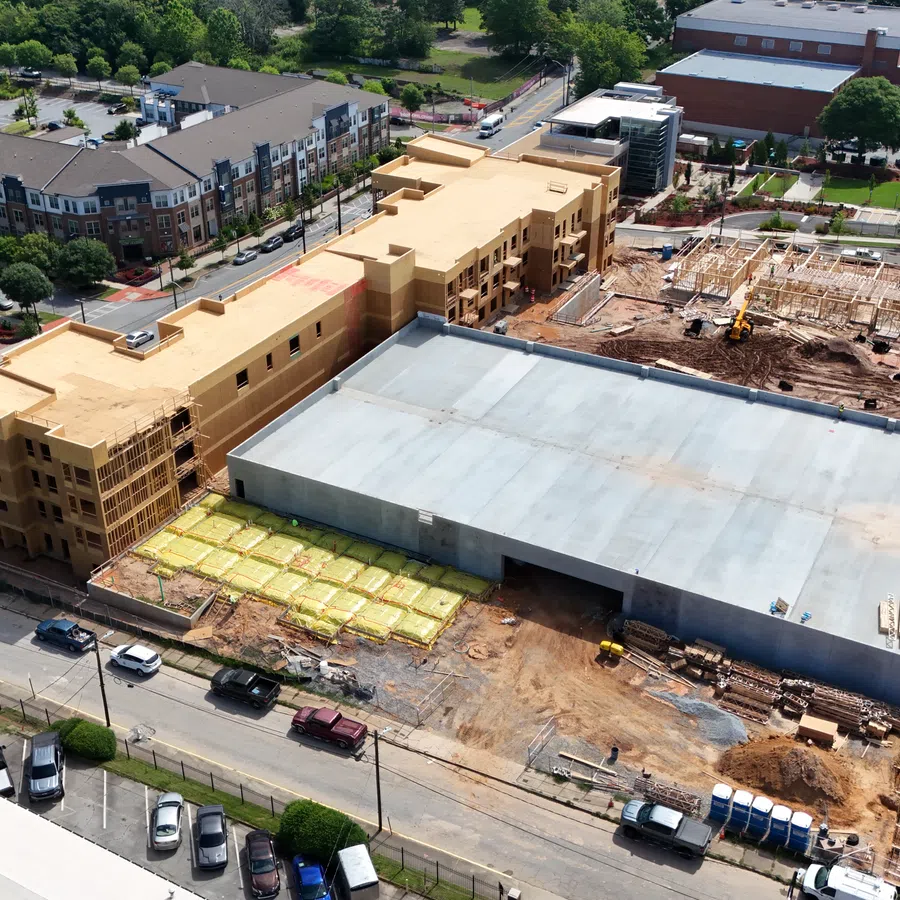
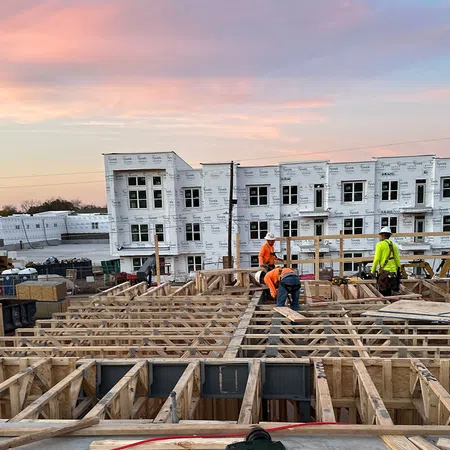
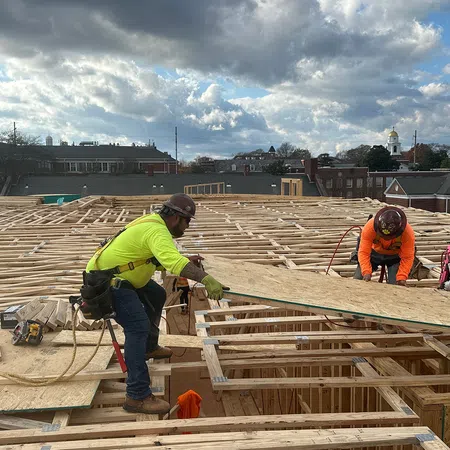
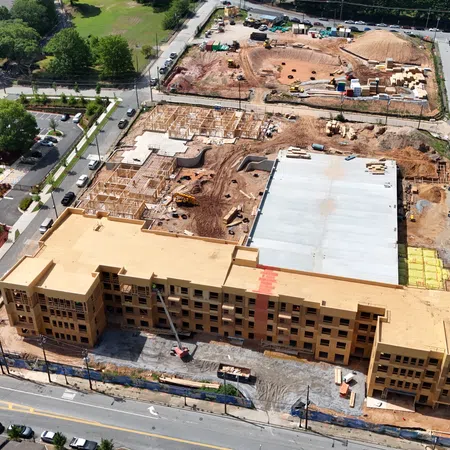
Ashley Scholars Landing II – Wood Framing & Window Installation
CLIENT: McShane Construction Company
ARCHITECT: JHP Architecture
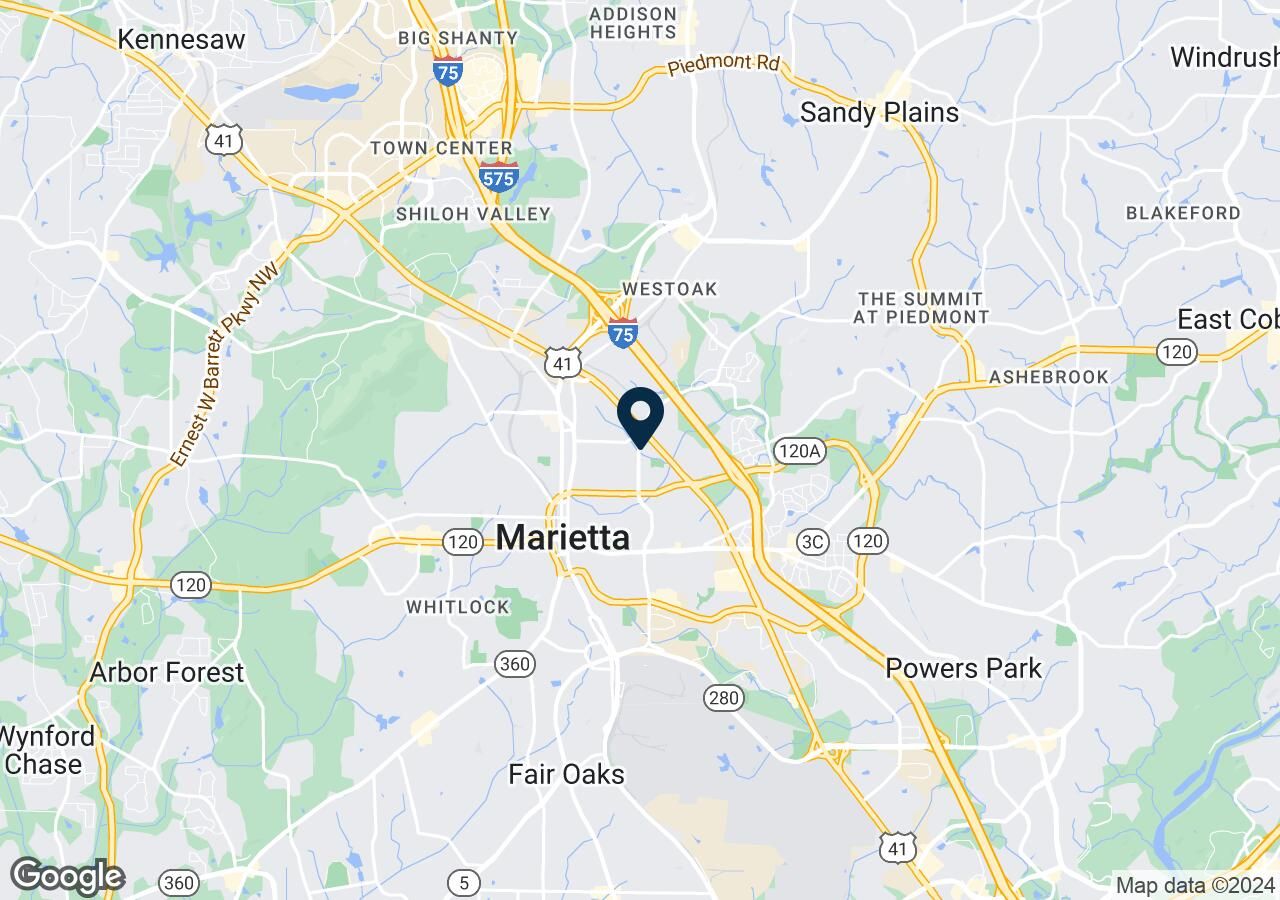
LOCATION: 680 Atlanta Student Movement Boulevard, Atlanta, GA 30314
NEIGHBORHOOD: Atlanta University Center, Atlanta, Georgia
PROJECT TYPE: Affordable Senior Housing — Multifamily Residential
SCOPE: Wood Framing Specialty Subcontractor
BUILDING SIZE: 91,705 sq ft
UNITS: 97 (87 one-bedroom, 10 two-bedroom)
CONSTRUCTION TYPE: Podium Wood Frame
FRAMING START: February 2024
FRAMING COMPLETION: August 2023
DBE: YES
Project Overview
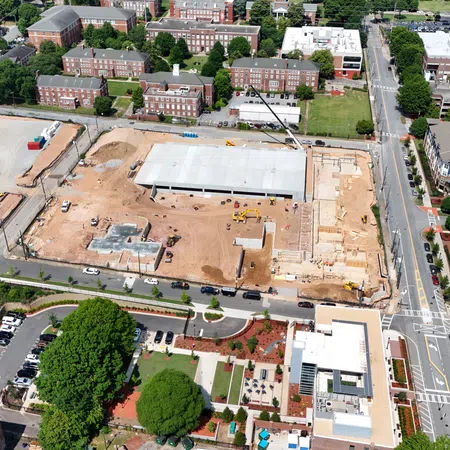
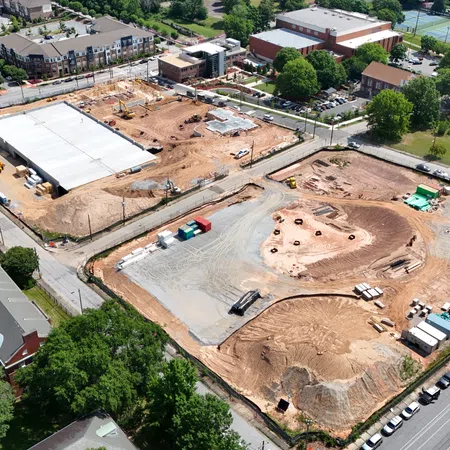
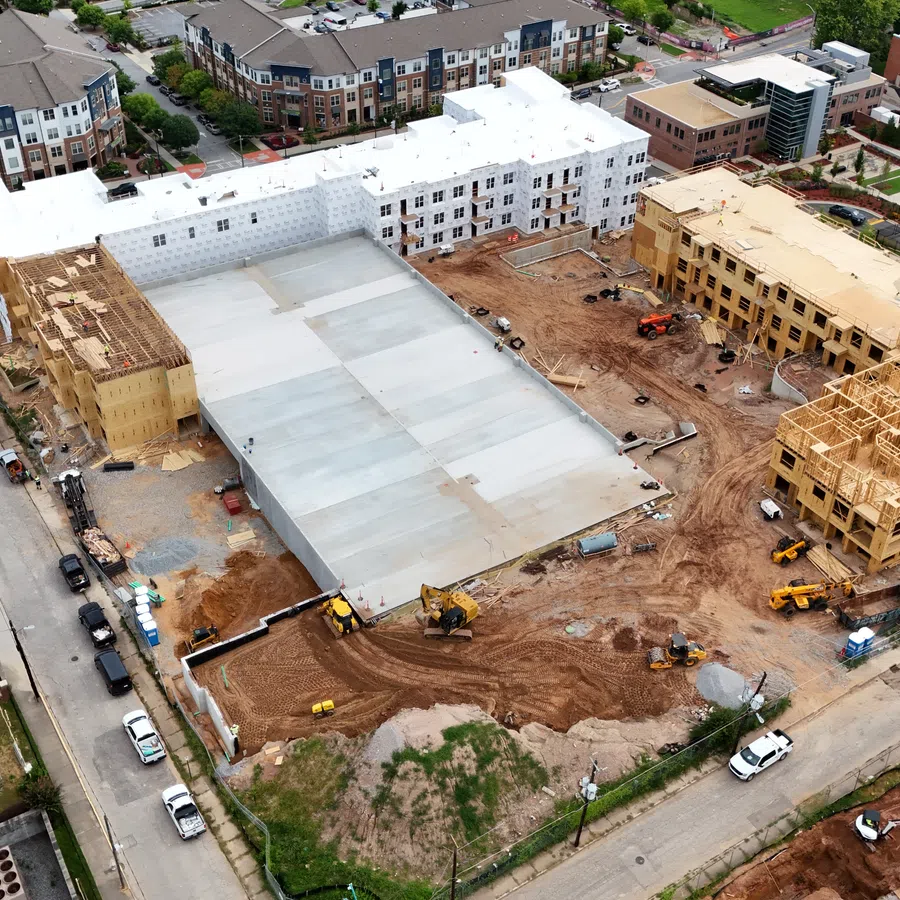
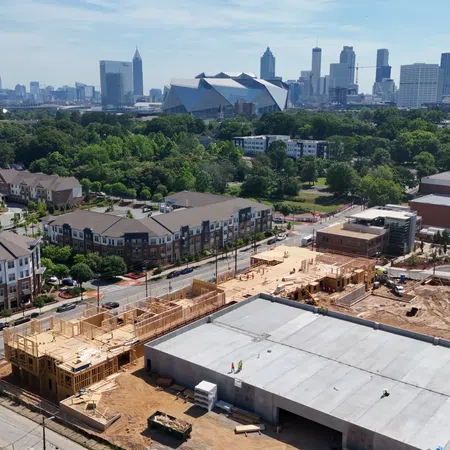
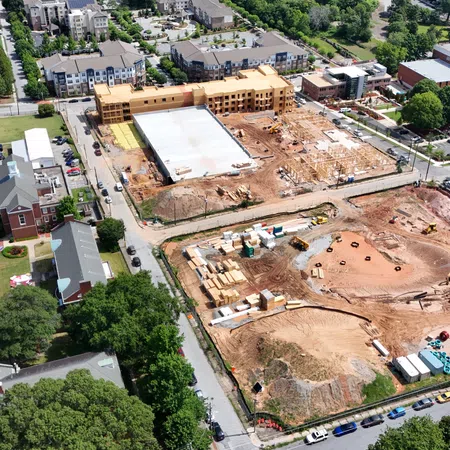
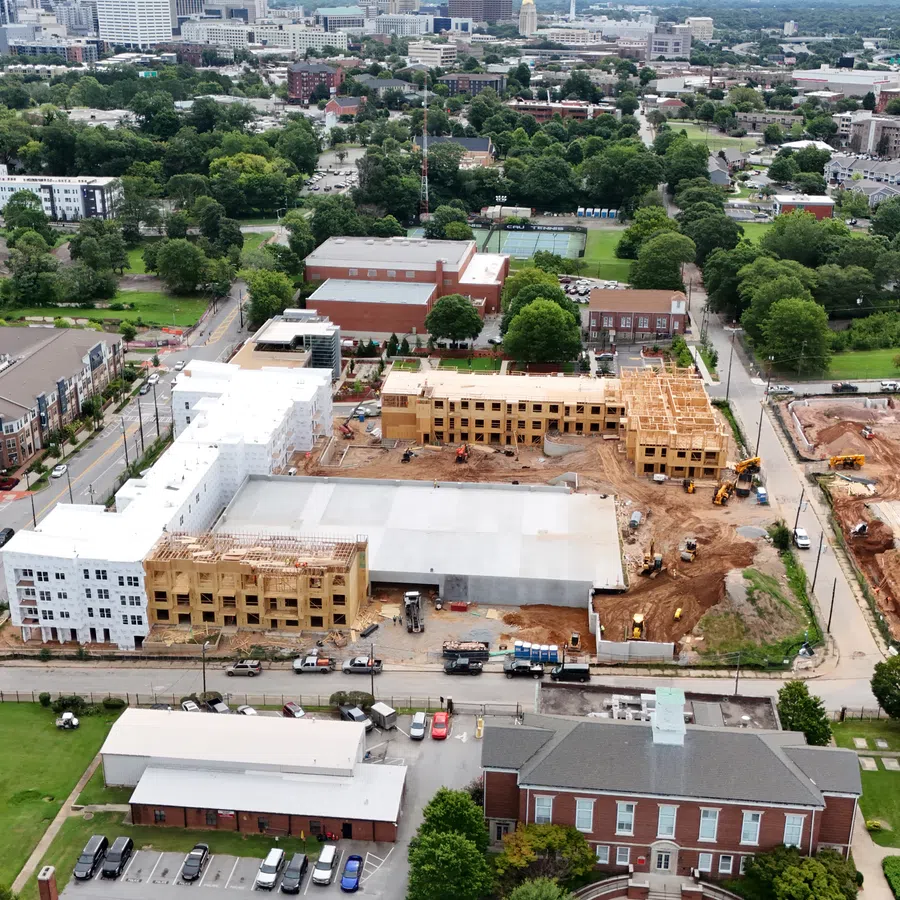
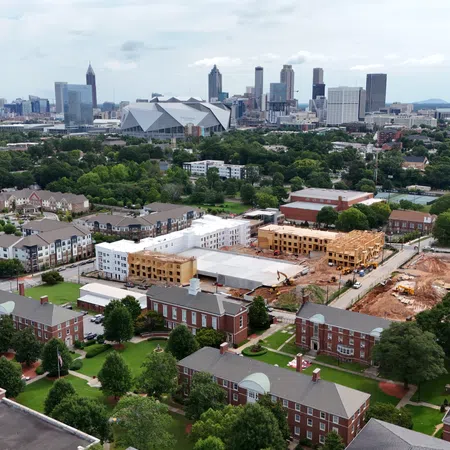
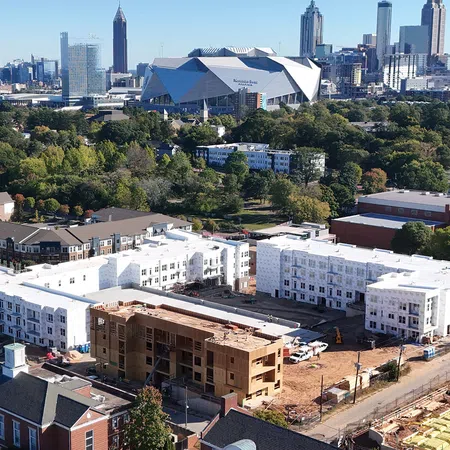
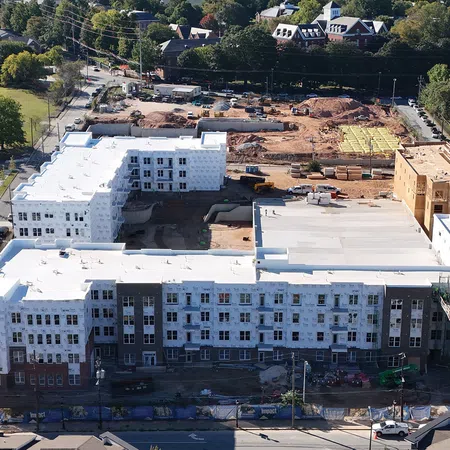
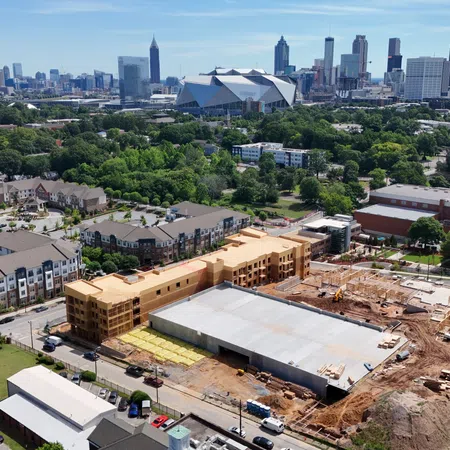
Ashley Scholars Landing II is the second phase of a master-planned residential community in the Atlanta University Center, just west of Castleberry Hill on land that was formerly part of the University Homes public housing complex. The development delivers 212 mixed-income apartments across three- and four-story buildings on a 5.9-acre site, part of a broader redevelopment effort bringing affordable, market-rate, and future homeownership housing within walking distance of Spelman College, Morehouse College, and Clark Atlanta University.
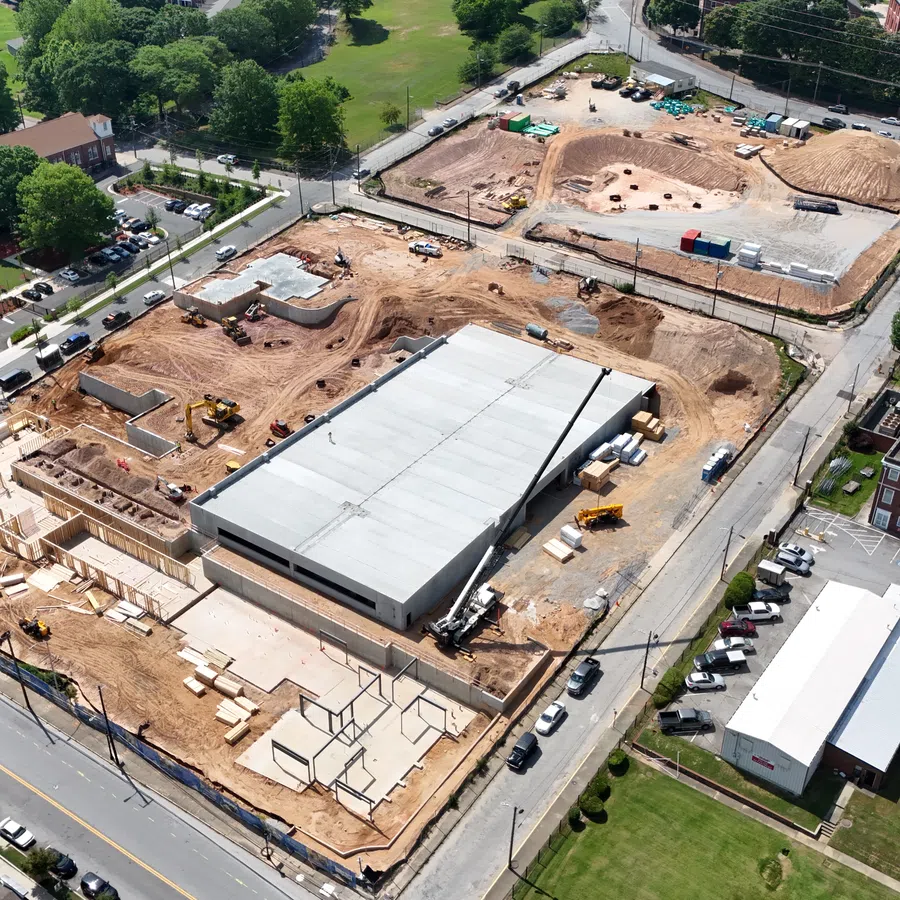
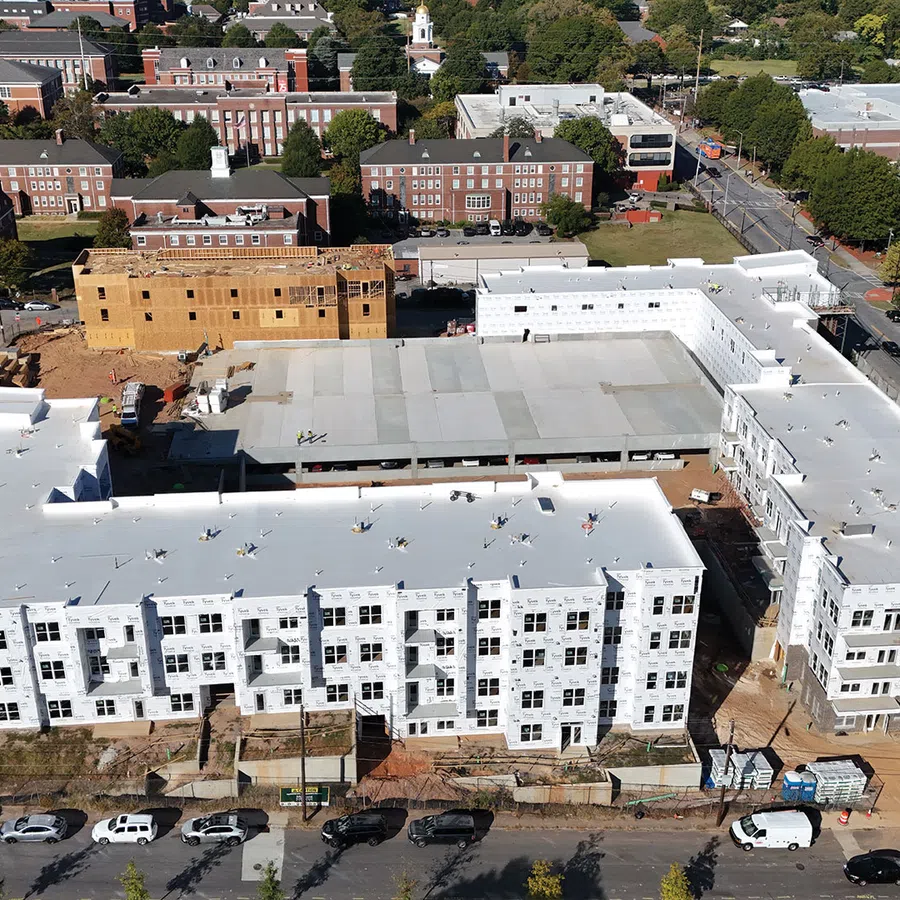
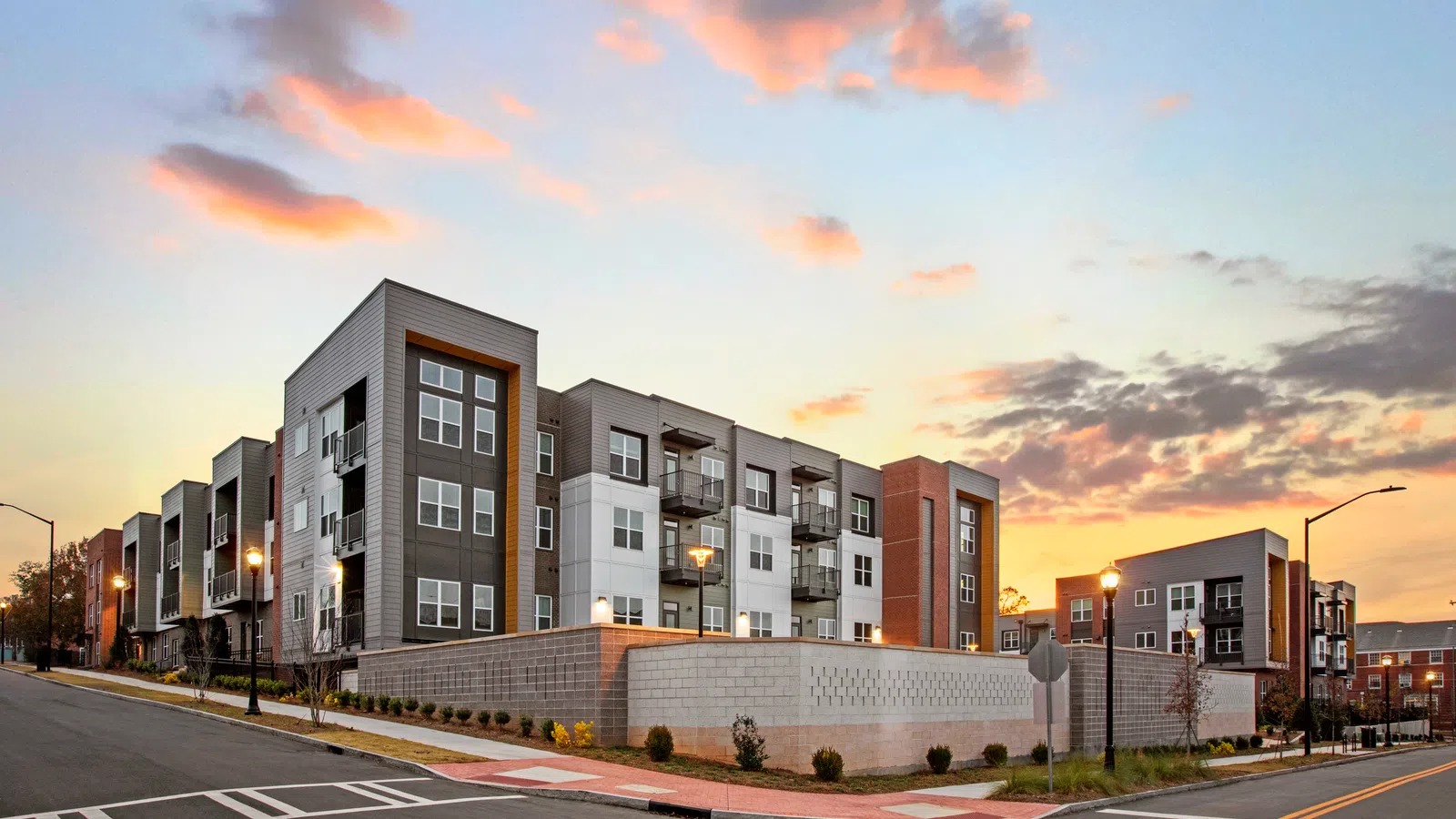
The buildings combine residential units with a precast parking garage, a clubroom, a fitness center, micro-offices, and shared activity space designed to serve students, faculty, and long-time residents of the surrounding neighborhood alike. Exteriors pair Hardie fiber cement siding with brick masonry, a material palette chosen to sit comfortably in a historic, campus-adjacent setting while still feeling current.
Essayon served as the wood framing and window installation trade contractor, working under general contractor McShane Construction Company for developer The Integral Group, with architecture by JHP Architecture.
Essayon's Scope
Essayon's team managed two coordinated scopes across the project's residential buildings:
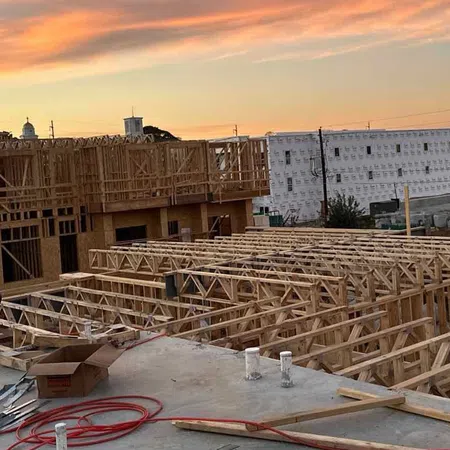
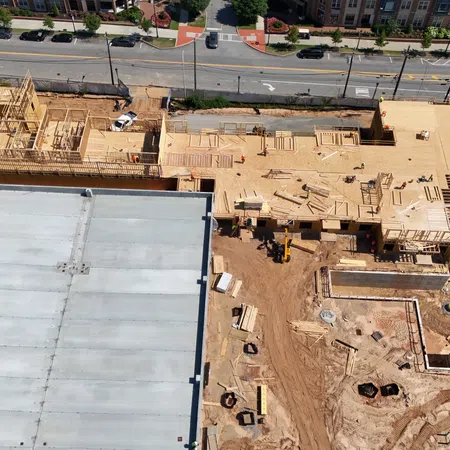
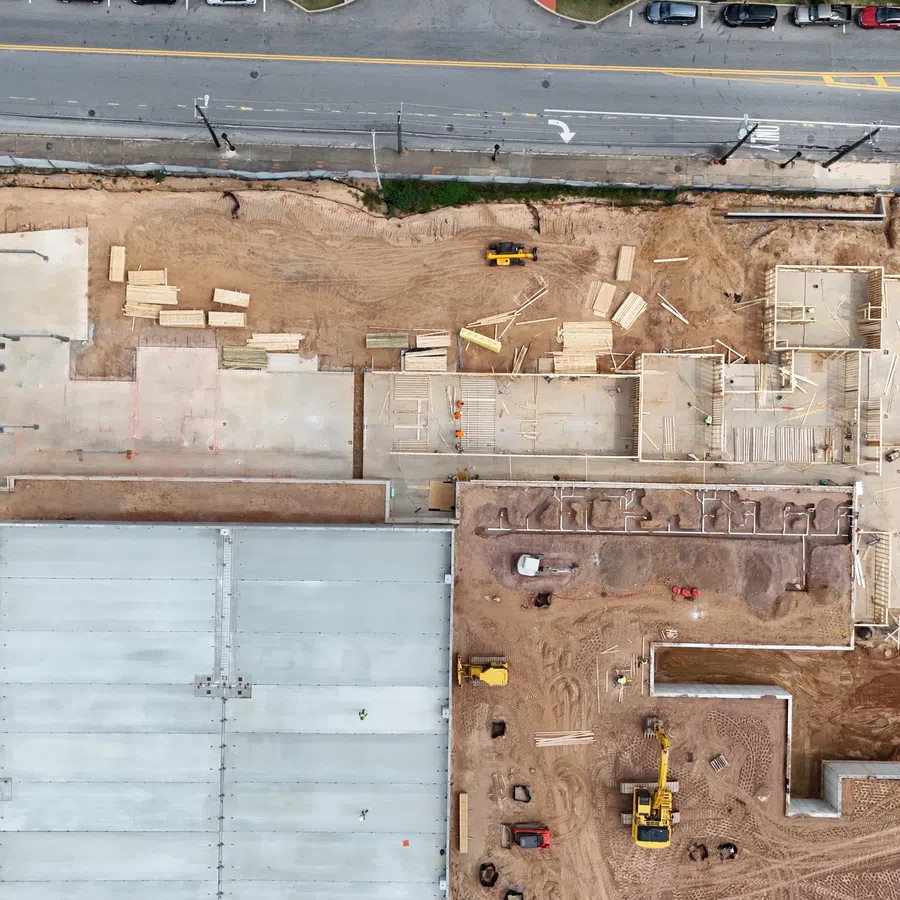
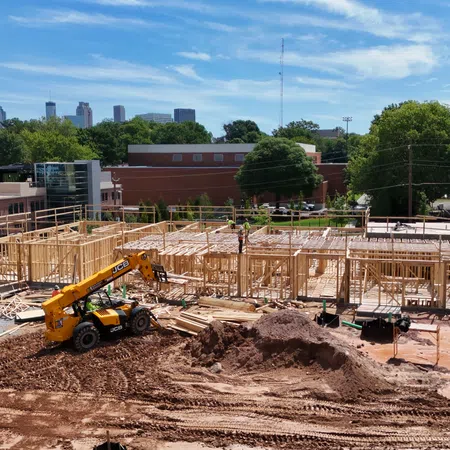
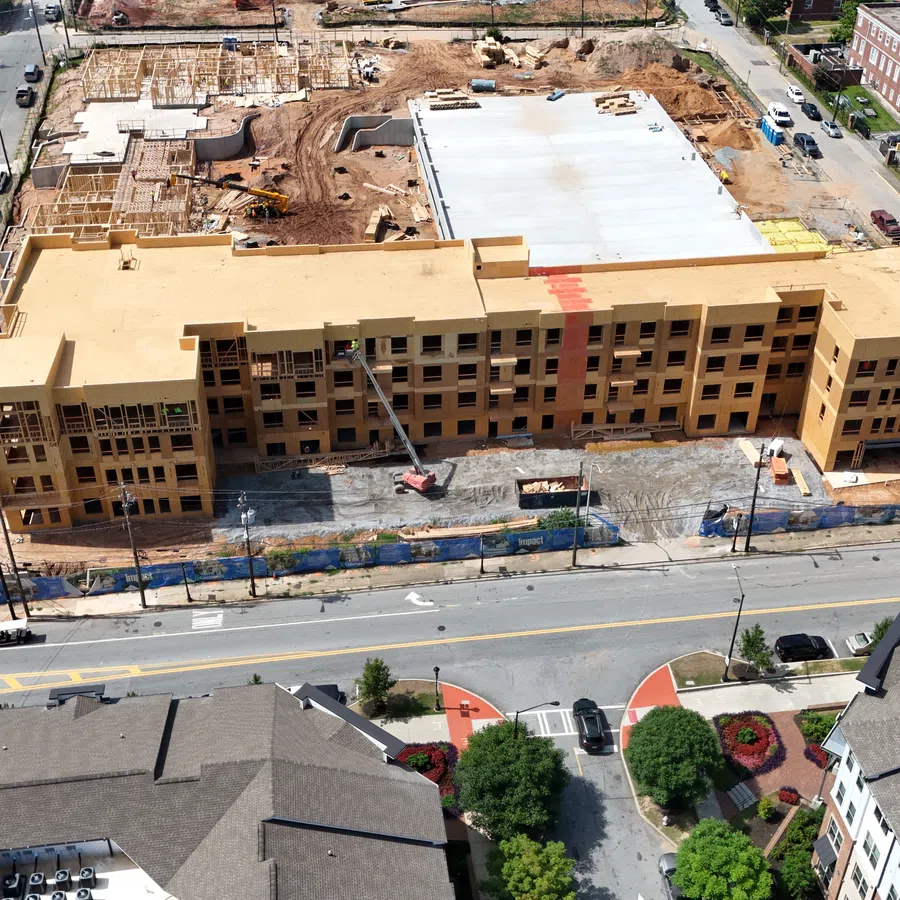
- Structural wood framing for the three- and four-story buildings: full-floor framing packages sequenced to keep pace with a dense, multi-building site and a tight, historically significant footprint.
- Window installation across all 212 residential units, coordinated directly with the exterior envelope trades including Hardie siding, brick masonry, and the broader cladding package so that window placement, flashing, and weatherproofing lined up cleanly with the finished exterior.
That second scope is where superintendent-led oversight mattered most. Window installation only works when it's sequenced tightly with framing and exterior finishes. If you get the order wrong, then you're chasing water intrusion issues after the siding crew has already moved on. Essayon's superintendents managed that hand-off with vetted, repeat crew partners who know how framing tolerances affect window fit, and how window fit affects everything that comes after it.
The framing system also had to account for MEP coordination across multiple four-story structures running in parallel — a sequencing challenge that rewards a framing partner who's thinking about the whole building, not just their own scope line.
Why It Matters
This project is proof Essayon can execute wood framing and the window package as a single coordinated scope, reducing the number of trade hand-offs a GC has to manage on the envelope. One accountable partner for framing-to-window sequencing means fewer coordination gaps between structural and exterior trades, and fewer opportunities for a schedule slip to hide in the seams between subs.
Ashley Scholars Landing II isn't just 212 units. It's workforce and mixed-income housing built into the fabric of one of the most significant HBCU corridors in the country. Essayon's role here reflects the kind of project the company exists to build: places where students, faculty, and long-time residents of a historic neighborhood can actually afford to live, built by a team that treats the surrounding community as part of the job, not just the job site.
This project extends Essayon's proof-of-work in dense, infill, mixed-income multifamily — a project type with real sequencing and coordination complexity, and a strong reference point for GCs evaluating framing subs on similarly constrained, historically sensitive sites.