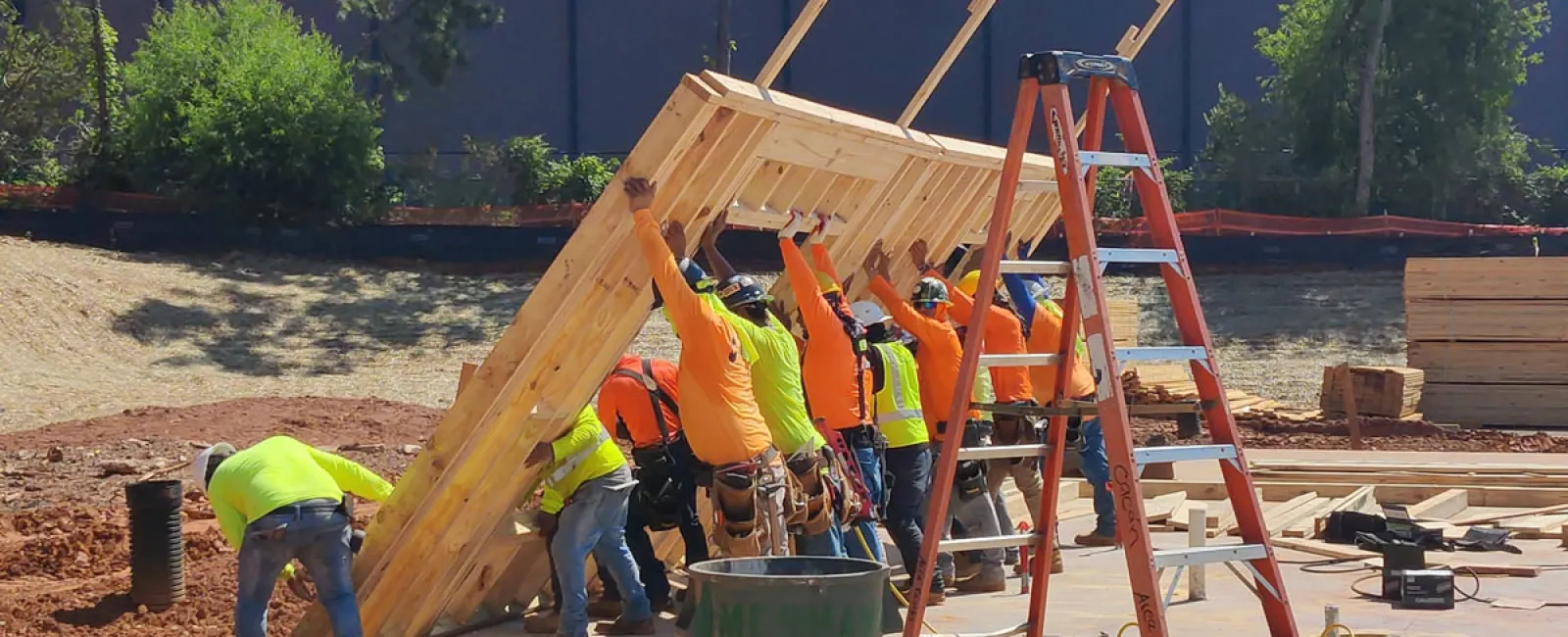
I've been on enough job sites —
and had enough hard conversations with GC project managers — to know that most
framing problems don't start on the job site. They start in the evaluation
process. Or more precisely, they start when the evaluation process doesn't
happen at all.
A lot of GCs award wood framing
scopes the same way they award any other sub trade: lowest qualified bid gets
the work. And that logic isn't wrong. The problem is in how we define
'qualified.' Because a framing sub can be licensed, insured, and bonded with all
three boxes checked, and still cost you two months and a change order that
nobody budgeted for.
What separates the framing subs
who protect your schedule from the ones who threaten it isn't their paperwork.
It's their process. And the only way to know if a sub has a real process is to
ask.
Below are seven questions every
GC should be asking before putting pen to paper on a wood framing contract. I'm
going to tell you what a strong answer looks like and what a weak one sounds
like — because I've heard both. I'm also going to tell you exactly how Essayon
approaches each one, because that's the standard I'd hold any framing sub to.
Q1: What does your preconstruction process look like before the first plate goes up?
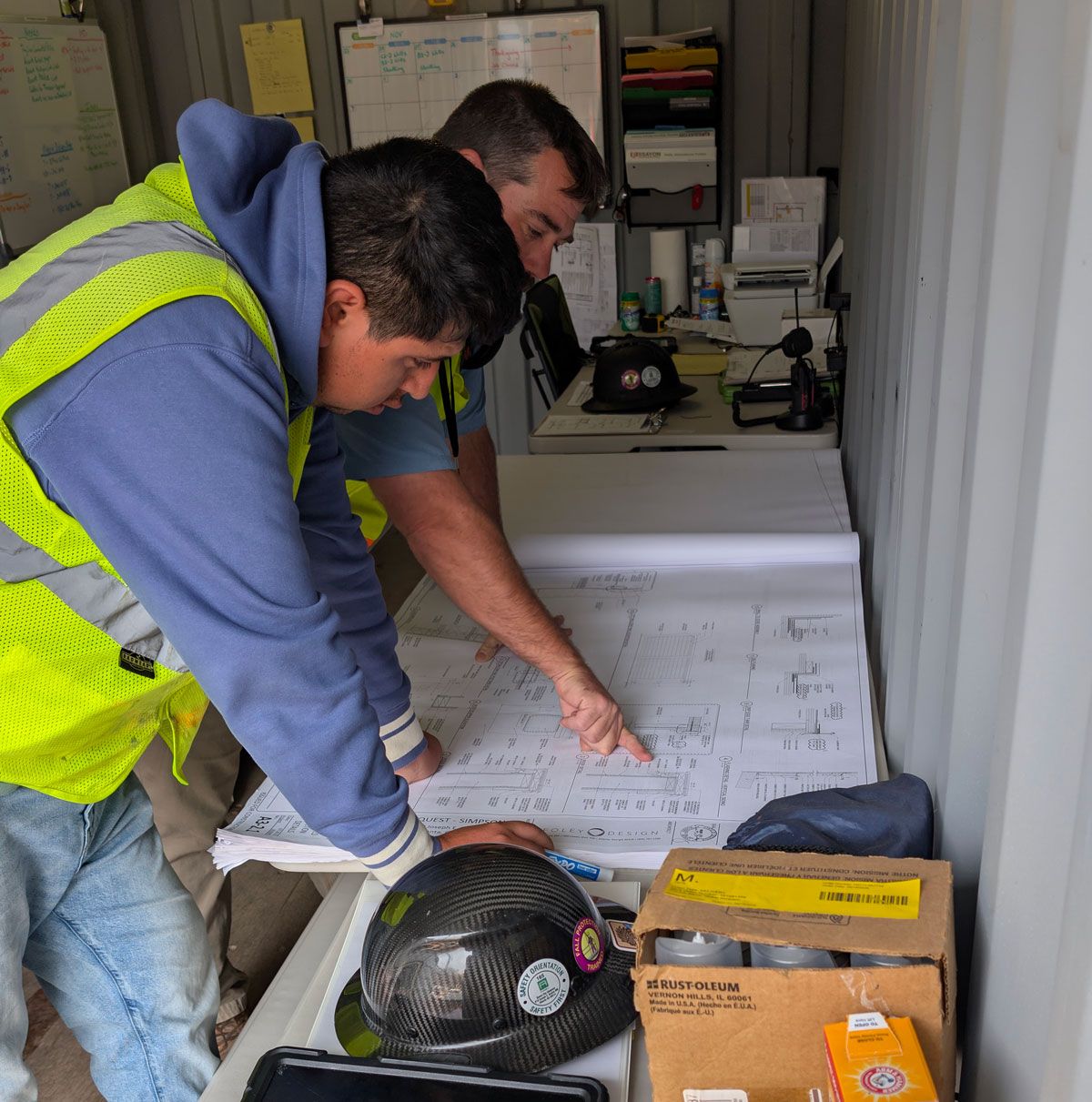
Most subcontractors don't have
one. They show up on day one and figure it out from there. That's not a knock. It's just how a lot of the industry operates. But for a GC trying to protect a
critical path, a framing sub who doesn't do preconstruction work is a liability
before they've touched a single stick.
A strong answer to this question
should include: a review of the construction documents before mobilization, a
material procurement and staging plan tied to your schedule, an identified
sequencing approach for the specific building type, and at least one formal
coordination touchpoint with your PM before ground breaks.
A weak answer looks like: 'We'll
walk the site when we mobilize.' Or worse, nothing — a blank stare at the
question itself.
The Essayon Answer: Before we mobilize on any project, our team reviews the construction documents, identifies sequencing requirements, and coordinates material delivery windows directly around your critical path. We're thinking about your project weeks before the crew steps on site — because the decisions you make before framing starts are the ones that protect your schedule once it does.
Q2: How do you manage material procurement and delivery to protect our schedule?
Material delays are one of the
leading causes of framing schedule overruns in multifamily construction. And
the vast majority of those delays are preventable if the sub has a system for
managing procurement and delivery sequencing. Unfortunately, most don't. They order materials
reactively, receive everything at once, and then sort it out on your job site
while your schedule slips.
What you want to hear: a clear
description of how they procure materials ahead of need, how they stage
deliveries to align with framing sequences, and whether they have any
infrastructure like a yard, a staging area, a warehouse operation that gives
them control over material flow before it hits your site.
What you don't want to hear: 'We
order as we go' or 'The supplier handles all of that.' Those answers put your
schedule at the mercy of a supply chain the sub doesn't control.
The Essayon Answer: Essayon operates a dedicated warehouse that gives us direct control over material procurement, staging, and delivery sequencing. We buy strategically — often in bulk — to insulate your project from supply chain delays and price volatility. Materials arrive at your site when the sequencing demands them, staged and ready — not in one massive delivery that creates a logistics problem for your PM or Super to manage.
Q3: What is your QA/QC process, and how do you handle field corrections?
Framing errors discovered at
punch are expensive. Framing errors discovered after drywall is up are
catastrophic. A framing sub without a real quality control process is a GC's
worst nightmare — not because mistakes never happen, but because there's no
system to catch them before they compound.
A strong answer here includes:
defined inspection points built into the framing sequence, who is responsible
for QA/QC checks at each phase, and a clear protocol for how field corrections
are identified, communicated to your PM, and resolved. If a sub tells you they
walk the work at the end — that's a reactive process. You want a proactive one.
If they can't describe their
QA/QC process at all, that tells you everything you need to know.
The Essayon Answer: We build quality checkpoints into our framing sequence — not onto the end of it. That means inspections at the plate line, at each floor, and at structural completion, before the next phase of work covers up what we've done. When a field condition requires a correction, our superintendent documents it, flags it to your PM immediately, and resolves it on a timeline we commit to — not one that surprises you at punchlist. Our average punchlist resolution time is 2-4 days. That's not a coincidence. It's a process.
Q4: What is your safety record, and who manages safety on the job site?
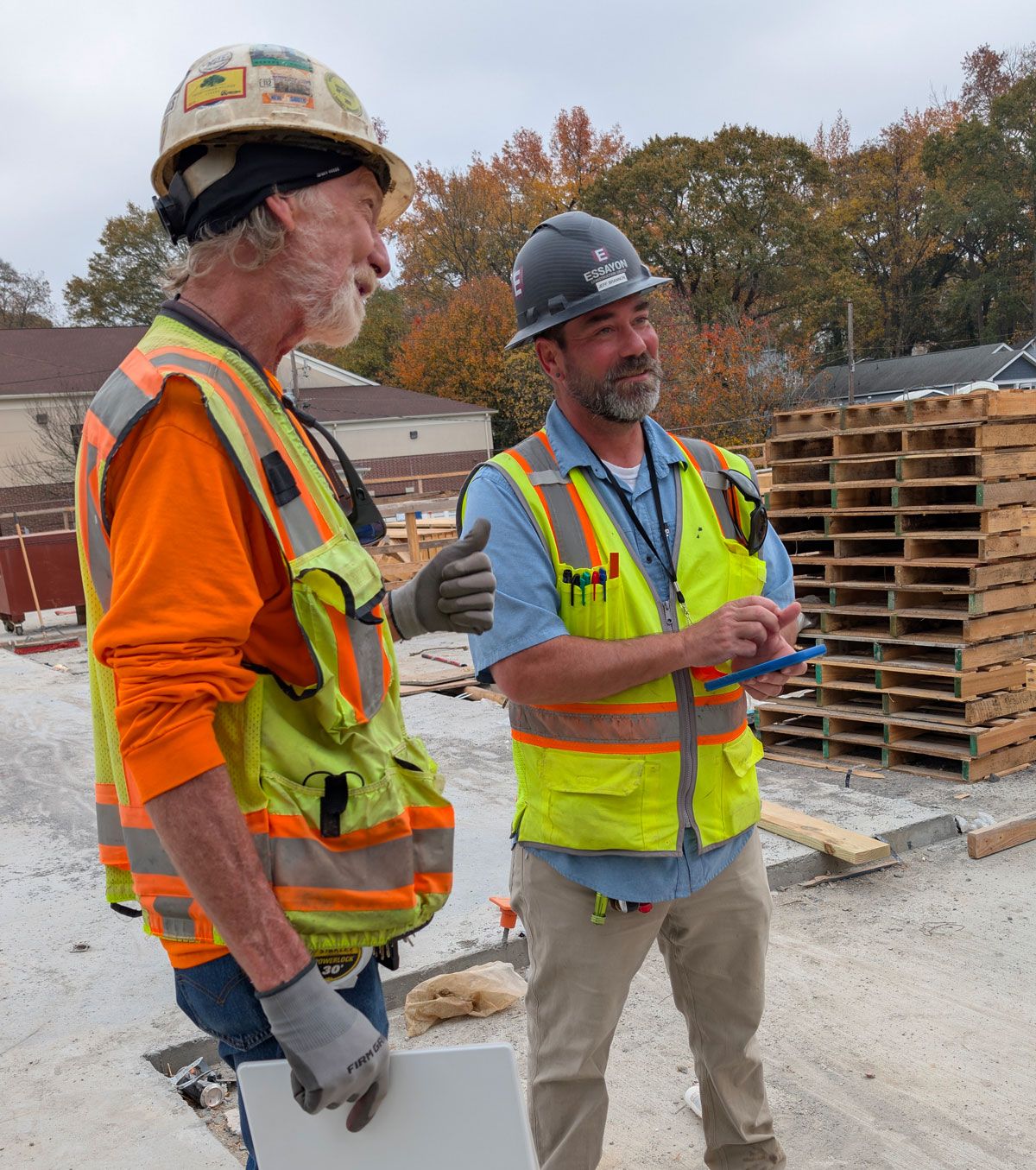
A framing sub's safety record matters for three reasons: it directly affects your site insurance exposure, it reflects the operational discipline of the company, and it's an early indicator of whether their crew culture will create problems or prevent them.
Ask specifically about OSHA
recordables, not just 'do you have a safety program.' A lot of subs have a
safety binder. That's not the same as a safety culture. You want to know who
holds OSHA 30 certifications on the crew, how safety briefings are run, and
what the actual incident history looks like. If they can't answer those
questions specifically, the safety binder is probably just a binder.
Also ask: who specifically
manages safety on your project? Not safety in general — your project. If
there's no named person with a clear responsibility, safety management is
nobody's job.
The Essayon Answer: Essayon has maintained a zero OSHA recordable incident record across all projects. Every lead superintendent we place on a job site holds OSHA 30 certification — not because it's required, but because it's the standard we hold ourselves to. Our Safety Dozen principles are built into every crew briefing, every toolbox talk, and every site we operate. Safety isn't a program we run. It's a culture we've built from the top down, starting with the fact that our CEO spent 20 years in the United States military, where the cost of a lapse in safety culture is measured in lives.
Q5: How do you handle schedule changes and communication with our project team?
This question might reveal more
about a framing sub than any other on this list. Because schedule changes
happen on every project. What separates good framing partners from bad ones
isn't whether changes occur — it's how those changes are communicated and
managed when they do.
What you want: a sub who
proactively communicates changes before they become your problem. Who calls
your PM when a material delay is likely — not when it's already happening. Who
documents schedule adjustments in writing, participates in your weekly OAC
meeting, and isn't waiting for you to check in before they surface an issue.
What you don't want: a sub who
communicates reactively, surprises you with problems at the two-week
look-ahead, or treats your PM as someone to be managed rather than someone to
partner with.
The Essayon Answer: Our superintendents are trained to communicate proactively — not reactively. If we see a condition developing that could affect your schedule, we call your PM before it becomes a problem. We participate in OAC meetings, maintain a daily log, and document every field condition in writing. The goal isn't to protect ourselves from blame. It's to give your team the information they need to make good decisions, early enough to actually matter.
Q6: Have you worked on projects like this one - and can you show us proof?
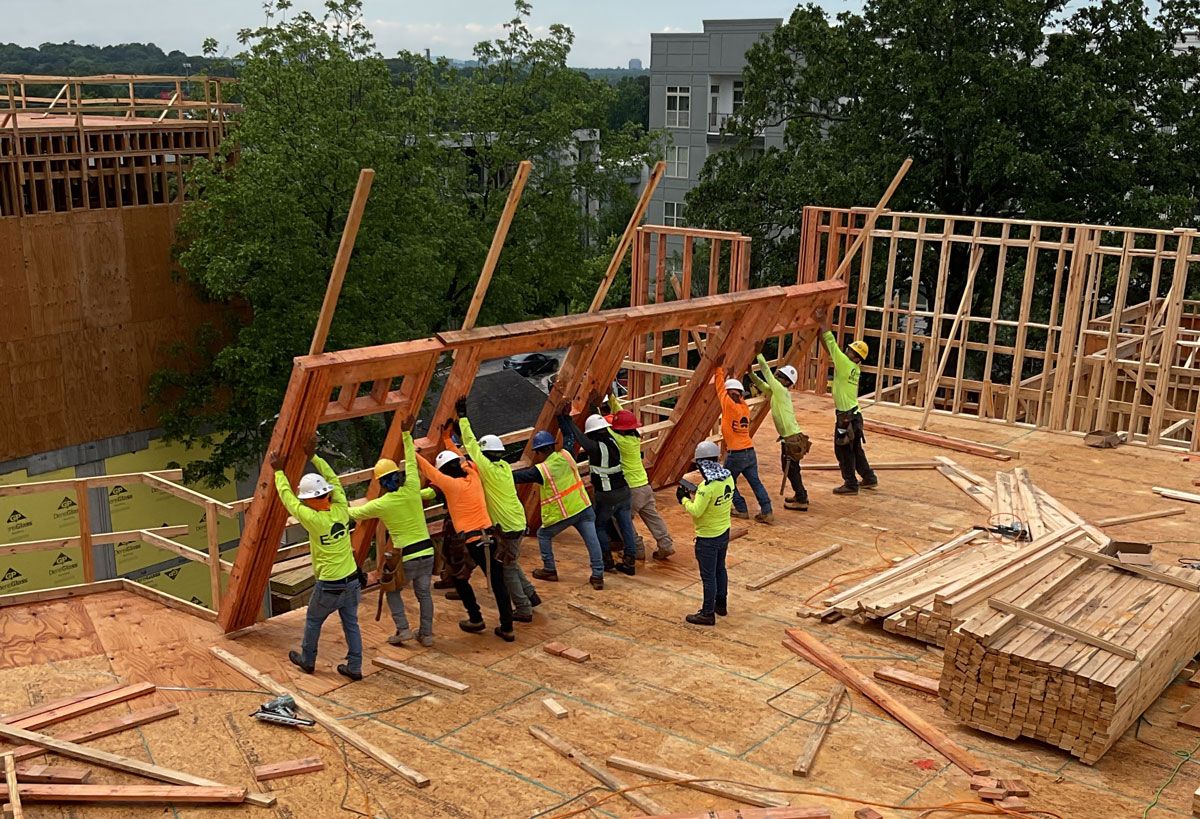
Relevant experience matters in
framing — not because every project is identical, but because the site
conditions, building types, and structural challenges you encounter on a
5-story stick-frame multifamily building are meaningfully different from a ground-floor
commercial build. A sub who has only done one type of work may struggle when
conditions diverge from what they know.
Ask for specific project
references — not a list of logos on a capability statement, but actual project
names, GC contacts you can call, and a description of the scope and challenges
the sub navigated. If they've done renovation work or projects in tight urban
access conditions, even better — those environments reveal process discipline
in ways that simpler ground-up projects don't.
If a sub can't name a reference
willing to take your call, that's a signal worth paying attention to.
The Essayon Answer: Essayon has completed projects across a range of project types — from ground-up multifamily in active development corridors to wood framing renovation on an active college campus, where access windows were narrow, tolerances were tight, and the margin for error was essentially zero. We have GC references for every project type we've worked on. We will give you names and numbers — not a list of logos — because we're confident in what those conversations will confirm.
Q7: What certifications do you hold, and how do they apply to our projects?
Certifications aren't just
credentials on a capability statement. For a GC working on federally funded
projects, HUD-financed housing, or any project with MWBE participation
requirements, your sub's certification stack can directly affect your bid
competitiveness, your compliance obligations, and your ability to hit
participation targets that matter to the owner.
A lot of framing subs can frame
a building. Very few can also help you check a compliance box that's required
to close your financing or maintain your federal award. That distinction is
worth asking about explicitly, especially as federal investment in multifamily
housing continues to grow across the Southeast.
Ask specifically: SBA 8(a)
status, SDVOSB designation, MBE, DBE, and any state-specific certifications
that apply to your project's funding source or participation goals. And if the
sub doesn't know what those certifications mean for your project, that's your
answer.
The Essayon Answer: Essayon holds five active certifications: SBA 8(a), SDVOSB, MBE, DBE, and AABE. That's not a credential wall — it's a toolkit your project can use. Whether you need to hit an MWBE participation target, qualify for a set-aside opportunity, or access federally funded programs that require certified sub partners, Essayon checks every box. We understand what our certifications mean for your project's compliance picture, and we can help you leverage them strategically.
The Right Question to Ask Yourself
After you've gone through these
seven questions, there's one more you should ask yourself: does this sub's
answer to every question come with a specific, verifiable detail? Because the
difference between a framing contractor with a process and one without a
process shows up clearly when you press for specifics. Anyone can say 'we do
QA/QC.' Not everyone can tell you who runs it, what the inspection checkpoints
are, and what the average punchlist resolution time looks like.
Process generates proof. And
proof is what you need before you sign a contract on a scope that's on your
critical path.
The framing sub you want on your
project isn't the one who gives you the lowest number and the least resistance.
It's the one who brings a plan, a team, a culture, and a track record — and can
show you all four before day one.
That's the standard we hold ourselves to at Essayon. And it's the standard every GC deserves from their framing partner.
— Israel Brown Founder & CEO, Essayon Construction Group Service-Disabled Veteran | Former Director of Engineering, Georgia Army National Guard 2025 Cobb Chamber of Commerce Veteran-Owned Business of the Year | Inc. 5000 Southeast Region
Looking for a Wood Framing Partner Who Thinks Like a GC?
Essayon Construction Group is a certified
SDVOSB, SBA 8(a), and Minority Business Enterprise specializing in multifamily
and commercial wood framing across the Southeast. We bring preconstruction
discipline, zero-incident safety culture, and a GC mindset to every scope we
touch.